
The Rise of Digital Platforms
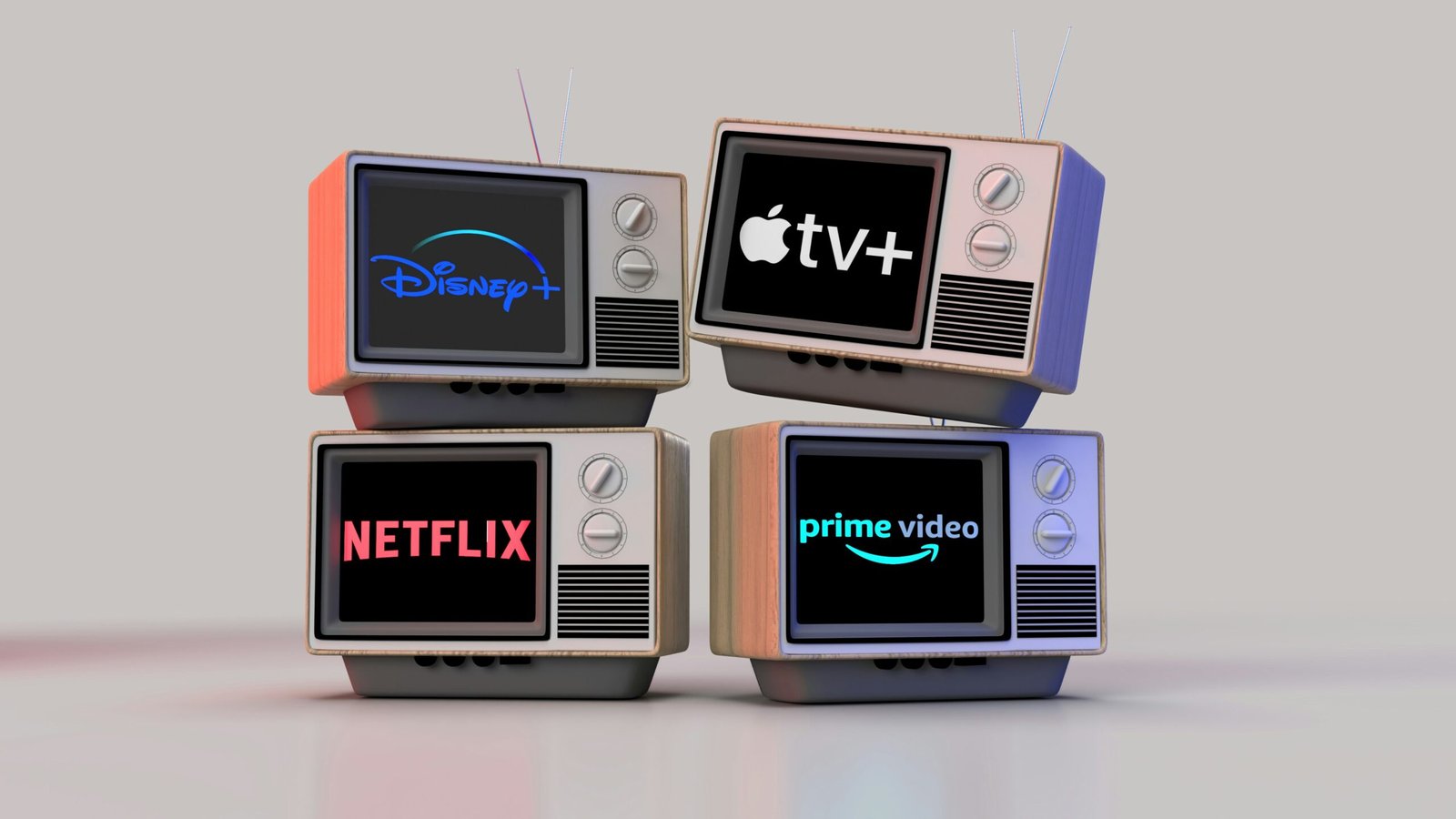
The emergence of digital platforms has significantly transformed the entertainment industry, reshaping how audiences consume content. Services like Netflix, Hulu, and Amazon Prime Video have rapidly gained popularity by offering an extensive library of movies and television shows that viewers can access with ease. With the rise of high-speed internet, these platforms have provided a level of convenience that traditional forms of entertainment, such as cable television and DVD rentals, have struggled to match.
In the past, consumers relied on cable packages that often included channels they seldom watched, leading to a sense of frustration and inefficiency. Furthermore, DVD rentals presented their own limitations, not just in terms of available titles but also due to the inconvenience of physical media. In contrast, digital streaming services allow subscribers to browse vast catalogs of content from the comfort of their homes, offering on-demand viewing that caters to diverse tastes.
The shift in viewer preferences towards digital platforms has driven growth and innovation within the entertainment landscape. Audiences now favor the flexibility to watch shows and movies at their own pace, leading to the rise of binge-watching culture. This behavioral change has resulted in increased investment in original content by platforms seeking to differentiate themselves in a competitive market. The successful launch of several acclaimed series on these digital channels showcases the ability of these platforms to not only meet but also create viewer demand.
Ultimately, the rise of digital platforms signifies a fundamental shift in content consumption habits. By offering a diverse range of programming, tailored recommendations, and the convenience of anytime access, these platforms have revolutionized the viewing experience, stunningly outpacing traditional entertainment mechanisms.
Changing Consumer Behavior
The advent of digital platforms has significantly transformed consumer behavior regarding content consumption. Traditional television viewing often followed a rigid schedule, requiring audiences to adapt their plans to fit program times. However, with the rise of on-demand viewing, consumers can now tailor their entertainment experiences to meet their preferences, allowing unprecedented flexibility in scheduling. This change has catalyzed the development of binge-watching culture, where viewers engage with multiple episodes of a series in one sitting. The concept of binge-watching underscores the responsibility viewers now take in their consumption habits, ultimately fostering greater engagement with content.
The proliferation of mobile devices has further revolutionized the way audiences access content. Today, audiences can watch their favorite shows or movies anytime and anywhere, thanks to smartphones, tablets, and laptops. This mobility has empowered viewers, facilitating an environment where consumption can occur during commutes, while traveling, or even during short breaks. Consequently, mobile access has broadened the scope of audience engagement, allowing a more extensive reach for digital streaming services.
Moreover, the digitization of entertainment has encouraged a shift from passive to active consumption. Audiences are now not just receivers of content; they actively curate their viewing lists and schedules. With the availability of personalized recommendations and tailored playlists, consumers engage in a filtering process that aligns with their unique tastes, interests, and mood. This active participation has altered the traditional static relationship between audiences and media, resulting in a more interactive experience.
In essence, the transformation brought by digital platforms has redefined consumer engagement in the realm of entertainment. By facilitating binge-watching habits, enhancing access through mobile devices, and enabling active content curation, these platforms have successfully created a more connected and dynamic viewing experience for audiences worldwide.
Content Creation and Distribution
The advent of digital platforms has significantly transformed how entertainment content is created and distributed. Streaming services like Netflix, Amazon Prime Video, and Hulu have redefined the concept of original programming, investing heavily in the development of exclusive series and films. This shift marks a departure from traditional film release calendars dominated by theatrical screenings, as streaming providers have adopted a release model that emphasizes immediate accessibility and binge-watching experiences. For instance, entire seasons of shows are often released simultaneously, allowing viewers to consume content at their own pace and fostering a more engaged audience.
The democratization of content creation is another salient change instigated by digital platforms. Social media channels and user-generated content sites such as YouTube have empowered individuals to produce and share their own work, leveling the playing field for aspiring creators. Talented individuals no longer face the high barriers traditionally associated with entry into the film and television industries, as they can now showcase their skills and reach global audiences through platforms that require minimal investment to get started. It has led to an explosion of diverse voices in entertainment, contributing to a more rich and varied viewing landscape.
Additionally, social media plays a crucial role in the promotion and distribution of content. Through platforms like Twitter, Instagram, and TikTok, creators can cultivate their audiences, share behind-the-scenes content, and engage with fans directly. This two-way interaction has transformed audience engagement, allowing viewers to feel a sense of connection to the creators and the material, which can enhance loyalty and drive viewership. As a result, managing social media presence has become a vital aspect of content distribution strategies, allowing entertainment entities to respond swiftly to audience feedback and trends, further enriching the overall entertainment ecosystem.
Challenges and Future Trends
The digital transformation of the entertainment industry has indeed ushered in new opportunities; however, it simultaneously presents a set of challenges that need to be addressed. One prominent issue is content saturation. As more platforms emerge and production costs decrease, the market becomes flooded with an overwhelming amount of content. This saturation makes it increasingly difficult for creators to capture audience attention, resulting in fierce competition for visibility. Independent creators, in particular, often find themselves at a disadvantage, as they struggle to promote their work amid an endless sea of choices.
Another significant challenge facing the industry is the threat of piracy. The ease of access to digital content has unfortunately led to an increase in illegal distribution channels, undermining the revenue models of many creators and companies. Despite technological advancements aimed at combatting piracy, such as digital rights management (DRM) systems, the problem persists, affecting not just large studios, but also individual artists who depend on fair compensation for their efforts.
Looking towards the future, several trends are likely to shape the entertainment landscape. The rise of personalized content recommendation algorithms powered by artificial intelligence is poised to enhance user experience, making it easier for audiences to find material that resonates with their preferences. Similarly, the increasing integration of augmented reality (AR) and virtual reality (VR) technologies could transform how we consume entertainment, offering immersive experiences that traditional formats cannot match.
As these technologies evolve, it is crucial for both consumers and creators to adapt to these changes. While viewers may benefit from tailored experiences, creators must navigate the complexities of finding an audience within these digital ecosystems. In conclusion, the entertainment industry will continue to face significant challenges while simultaneously benefiting from emerging trends that have the potential to redefine how we engage with content.